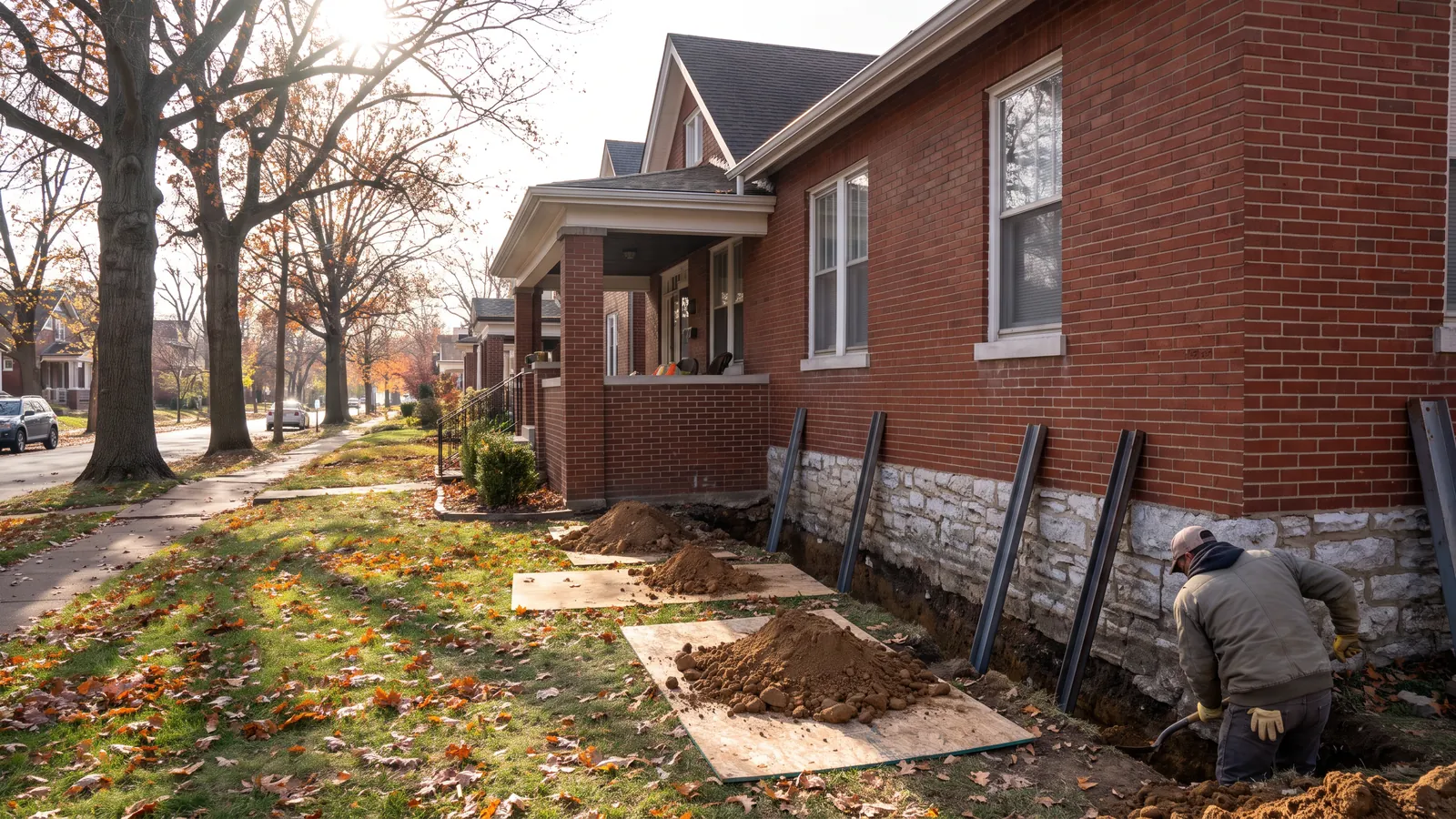
Foundation repair for St. Louis homes built on clay that never sits still
Clay under St. Louis swells in a wet spring and shrinks back in a dry August. That cycle opens cracks, pushes basement walls in and lets corners of a house drop. We work out which of those is happening at your place, then fix it with piers, wall anchors, crack injection or drainage, and we pull the permit when the work calls for one.
Phone answered 24/7, wet spring or dry August. Free inspections, prices in writing, registered and insured.
Twelve kinds of repair, one aim: a house that stops moving
Most calls start with one crack or one wet corner. The repair depends on what is behind it, so every job starts with a look at the soil, the drainage and the walls, not with a product.
 How it is done →
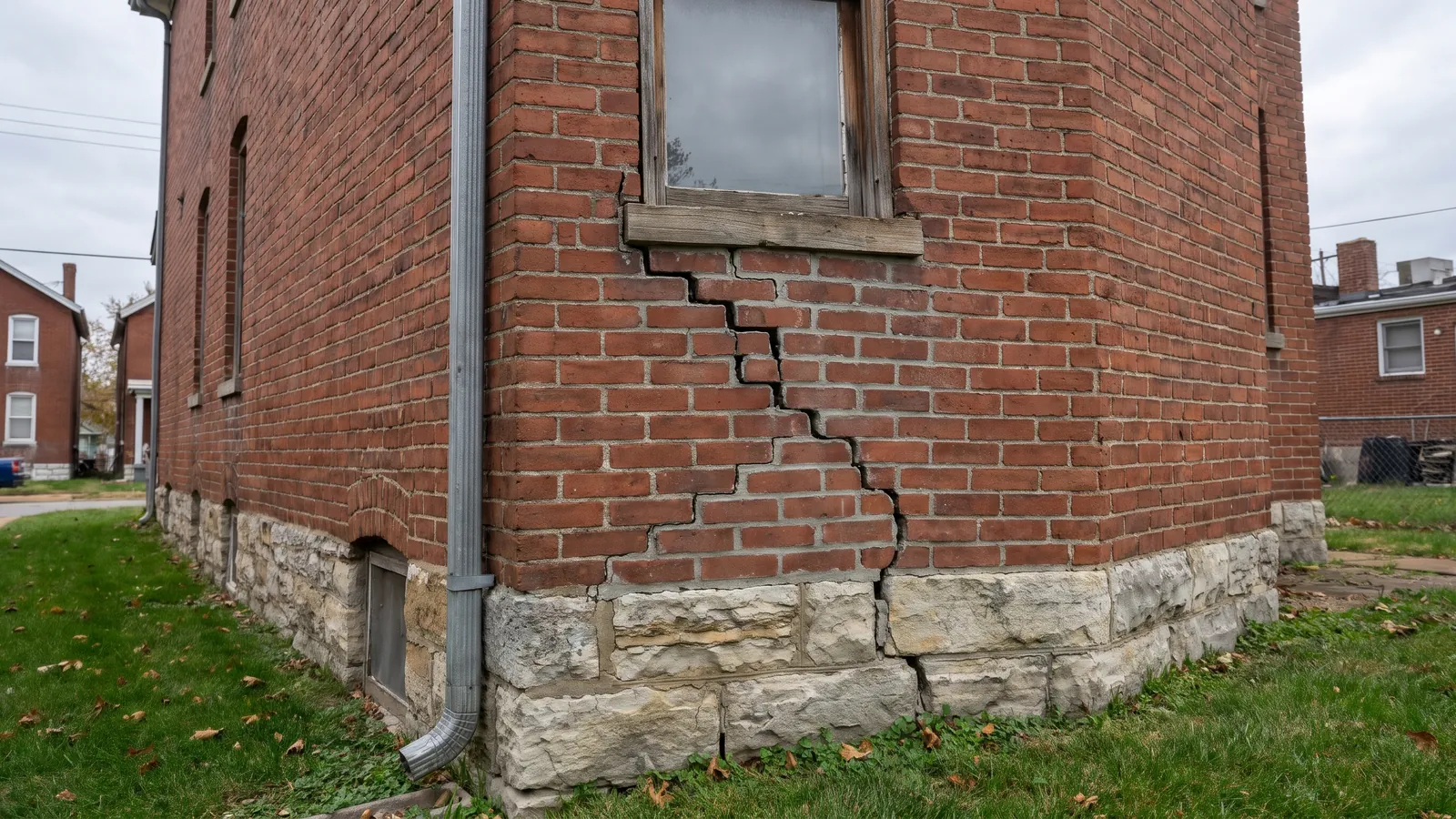
Foundation Repair
Settled corners, stair-step cracks and floors that slope toward one wall. We find what the soil is doing and stop the house from following it.
 How it is done →
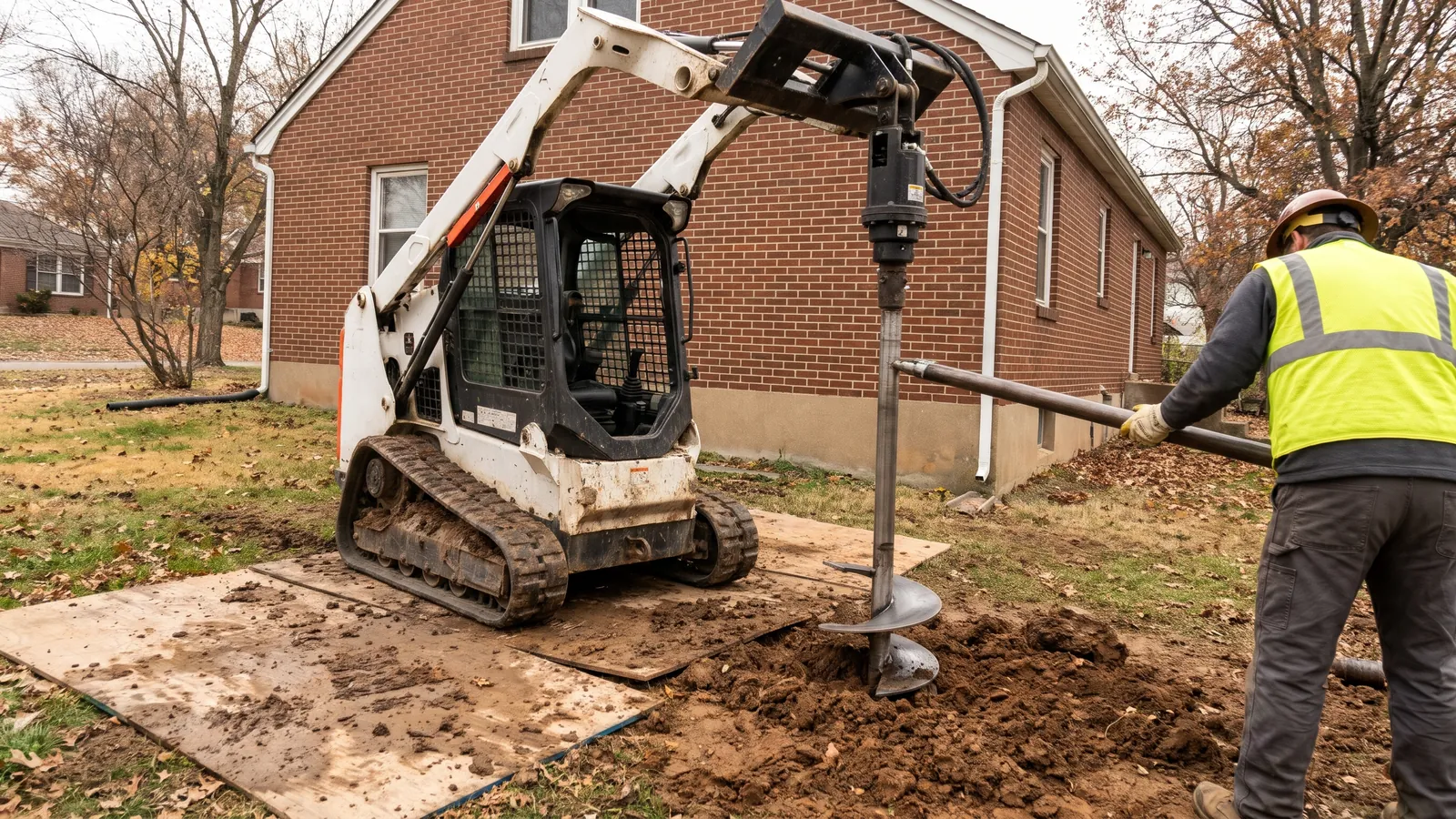
Helical Piers
Steel shafts with round plates screwed down past the shrink-swell clay to firmer ground. Good for lighter homes, porches and additions.
 How it is done →
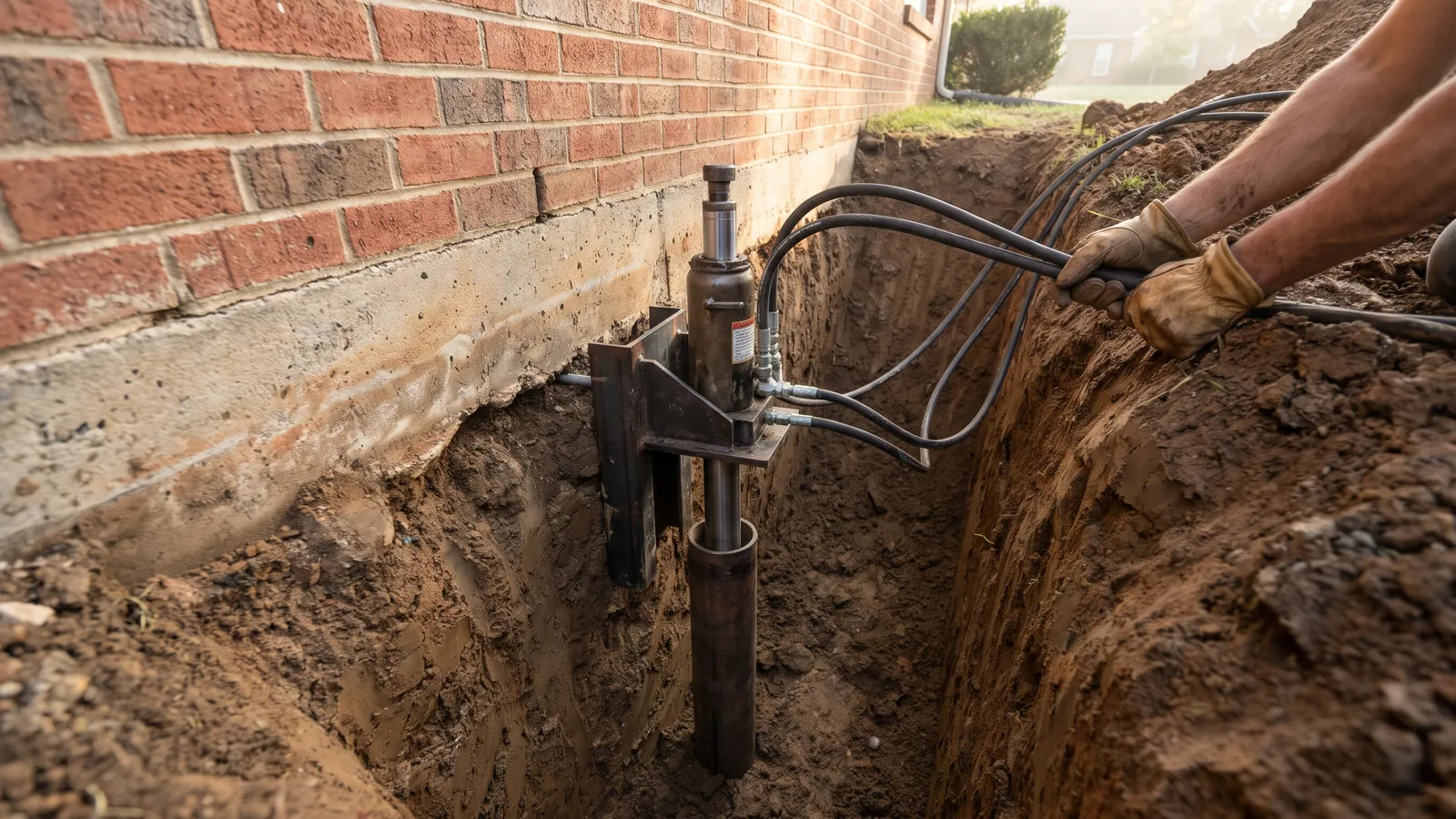
Push Piers
Steel tubes driven under the footing using the weight of the house itself, then used to lift and hold settled sections.
 How it is done →
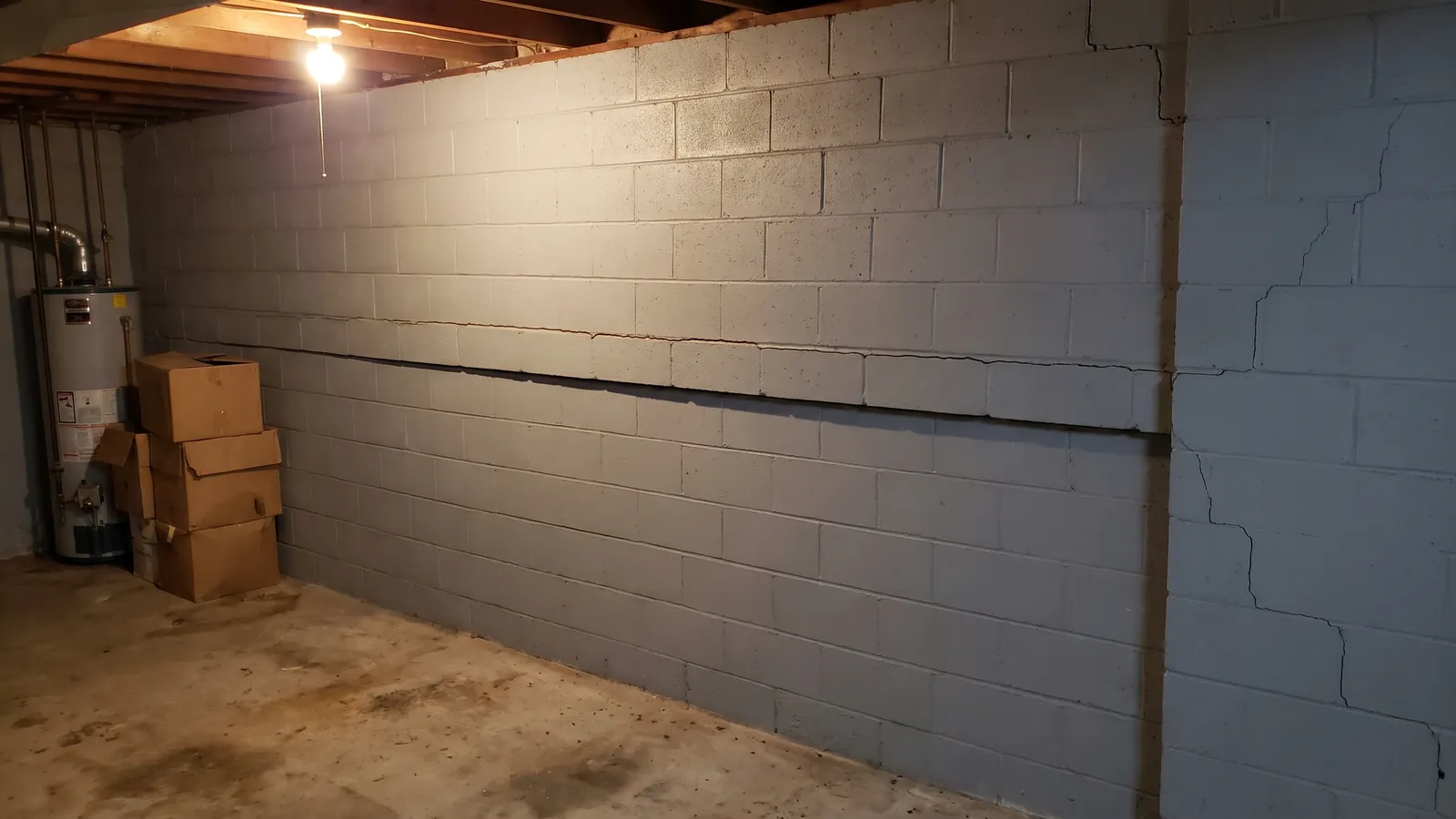
Bowing Wall Repair
Basement walls pushed in by wet clay get anchored, braced or strapped, and the cause of the pressure gets dealt with too.
 How it is done →
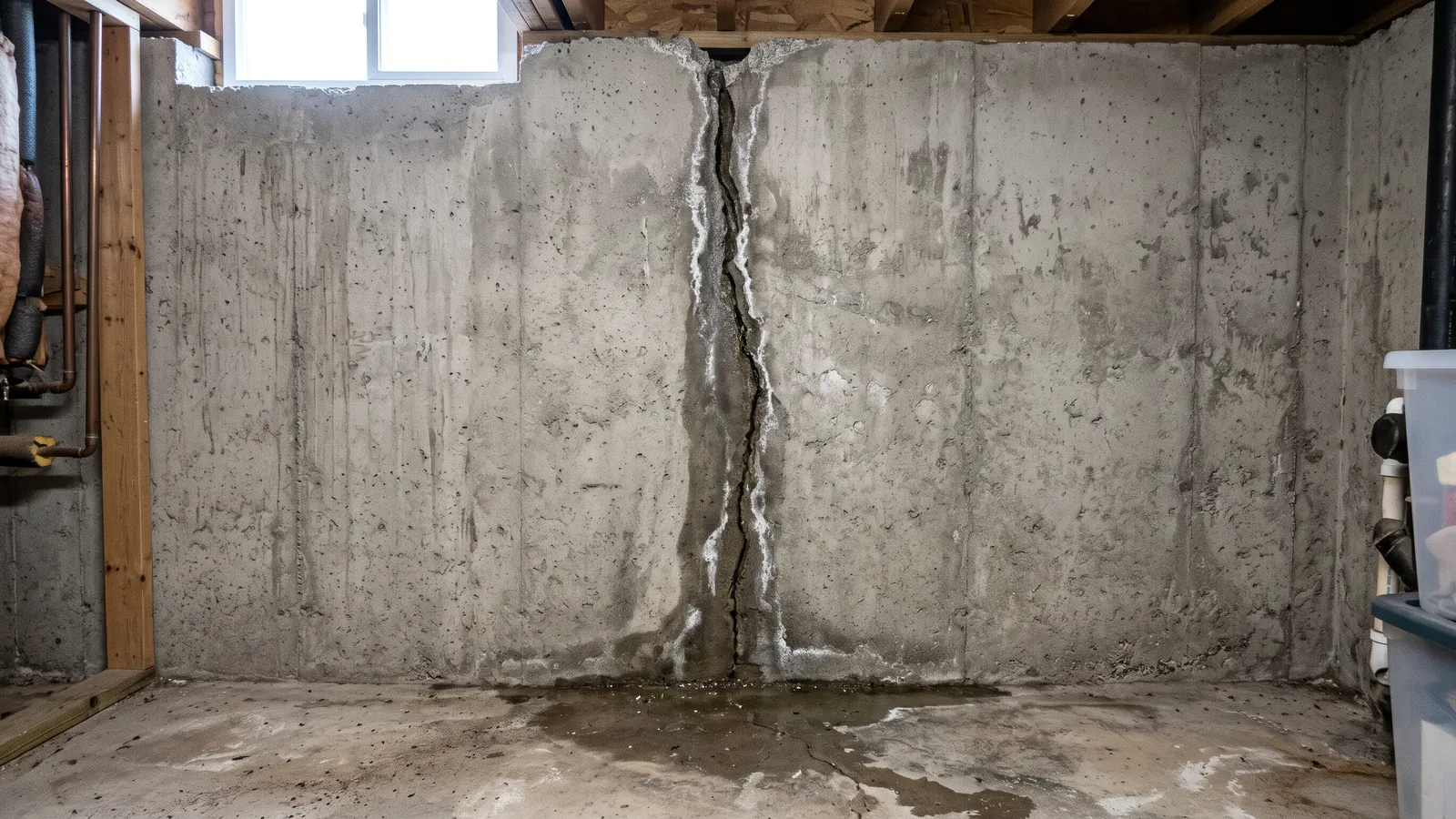
Foundation Crack Repair
Cracks in poured walls injected from the inside so they stop letting water in. We tell you first whether the crack is structural.
 How it is done →
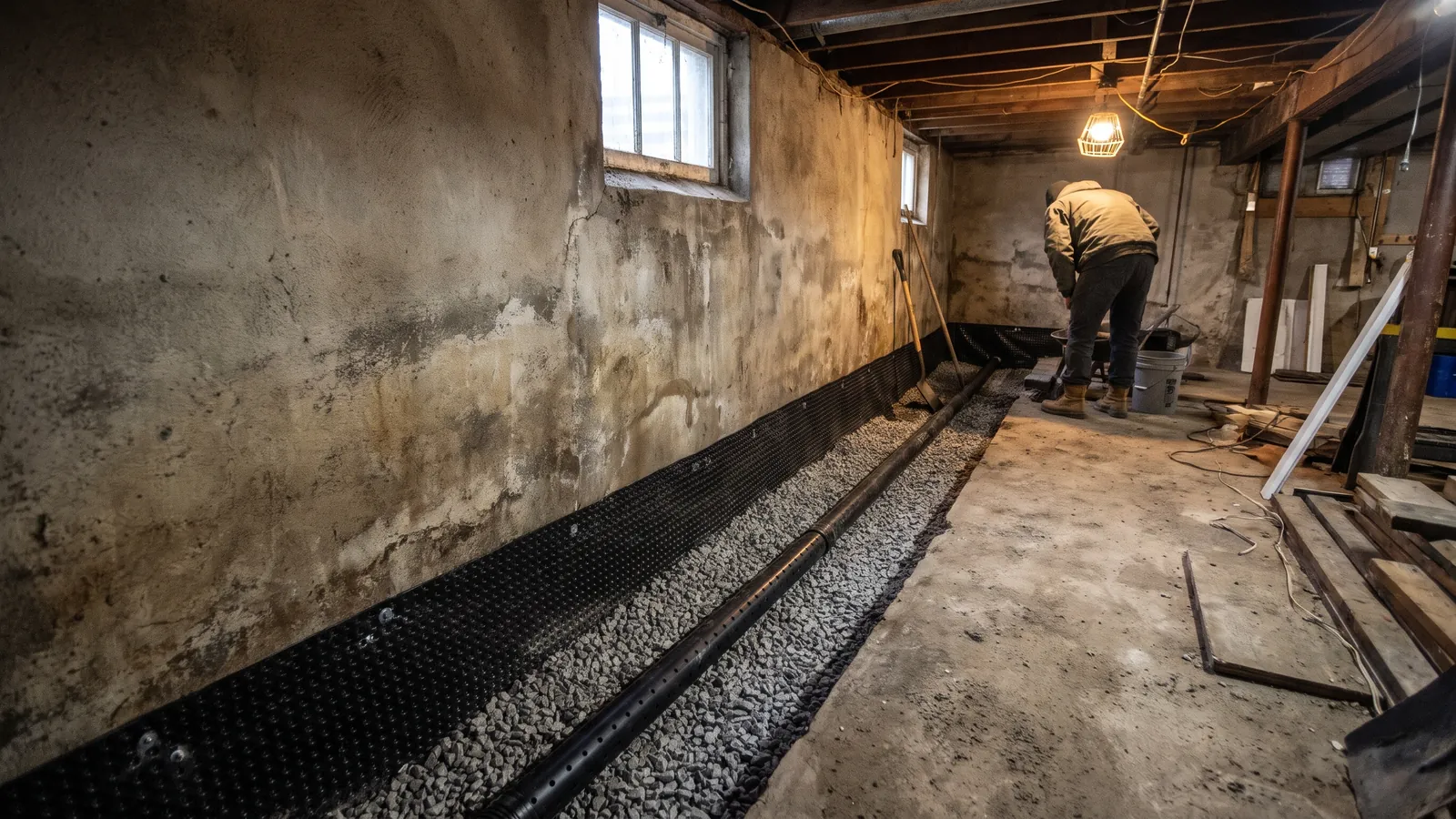
Basement Waterproofing
Interior drain lines, exterior membrane work and grading fixes, chosen by where the water actually gets in.
 How it is done →
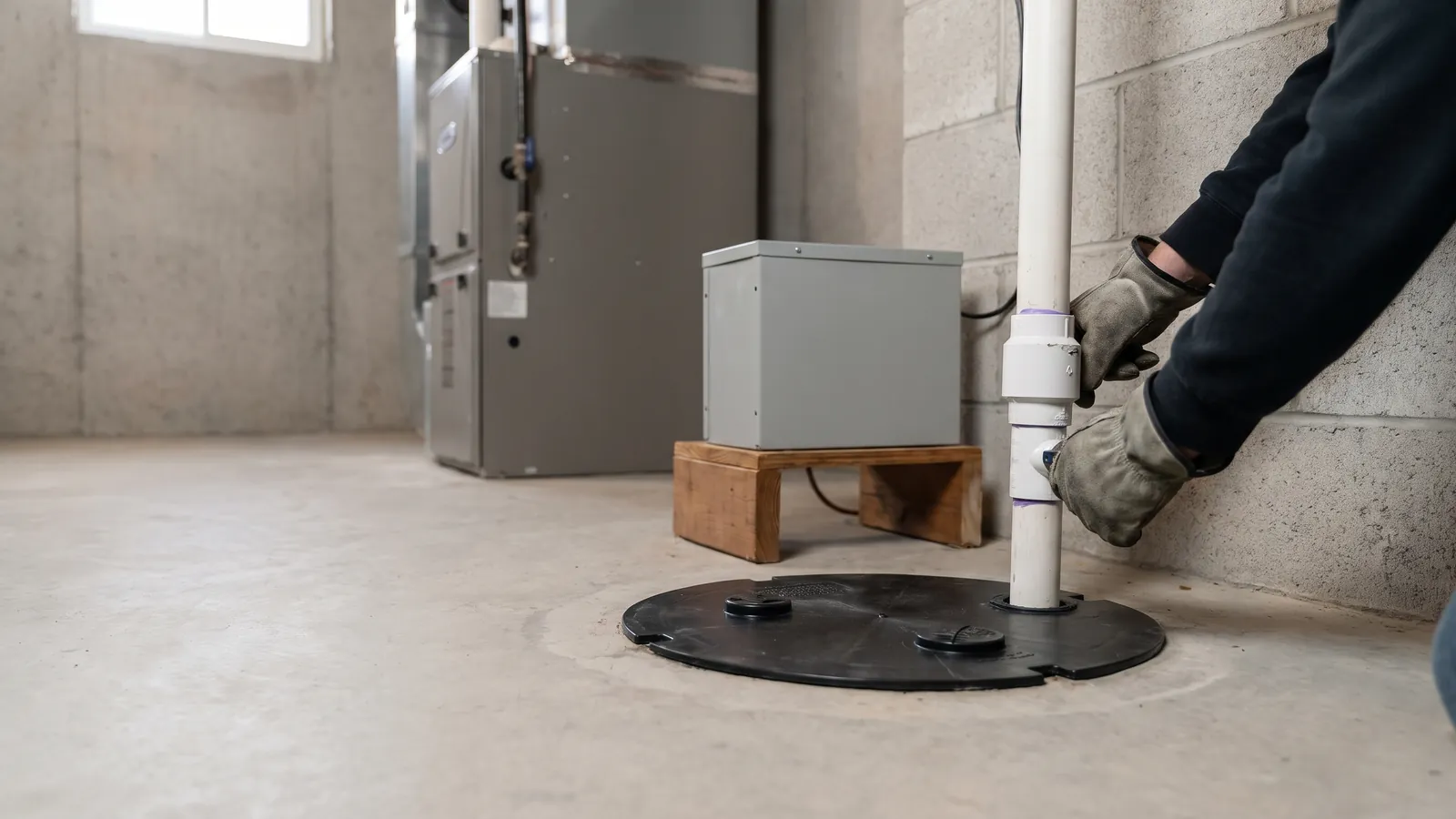
Sump Pump Installation
New pits, replacement pumps and battery backups for basements that take on water when storms stall over the region.
 How it is done →
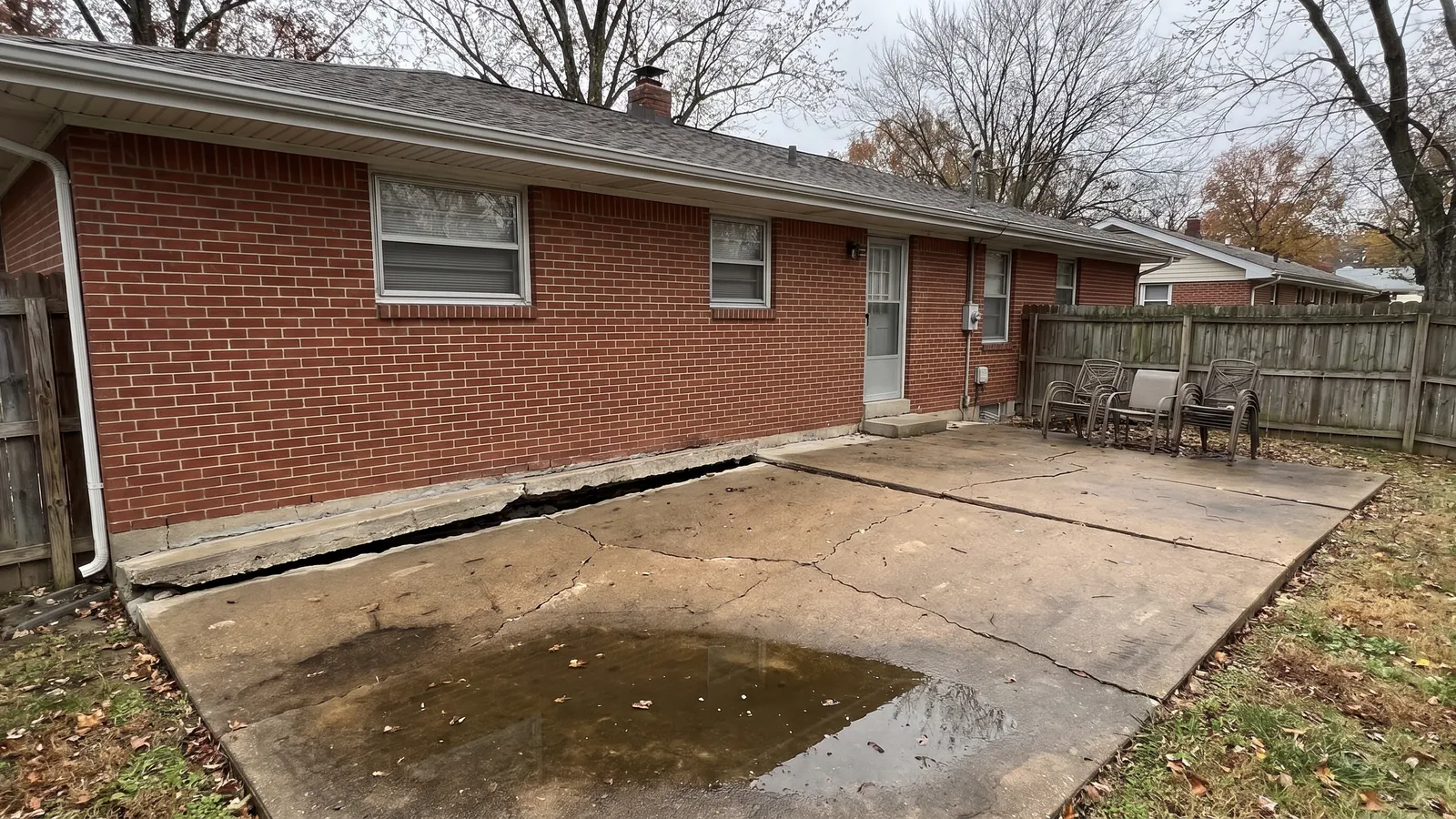
Concrete Leveling
Sunken patios, walks, steps and driveways raised back to level through small holes, without tearing the slab out.
From the first measurement to the backfilled hole
- 1
Free inspection
A laser level across the floors, a look at every crack, the gutters, the grading and the soil along the walls.
- 2
A plan on paper
What is moving, why, the repair we suggest and its price, written down. Nothing is sold at the kitchen table.
- 3
Permit, then the work
Structural work gets a permit from the office that covers your address. Then the crew digs, sets and lifts or anchors.
- 4
Measure again, clean up
Floors re-measured, holes backfilled and tamped, seed and straw down, and the drainage fixes finished.

Know the ranges before anyone quotes you
Planning numbers for the St. Louis market and plain guides to what the cracks mean. Your written price comes after the inspection.
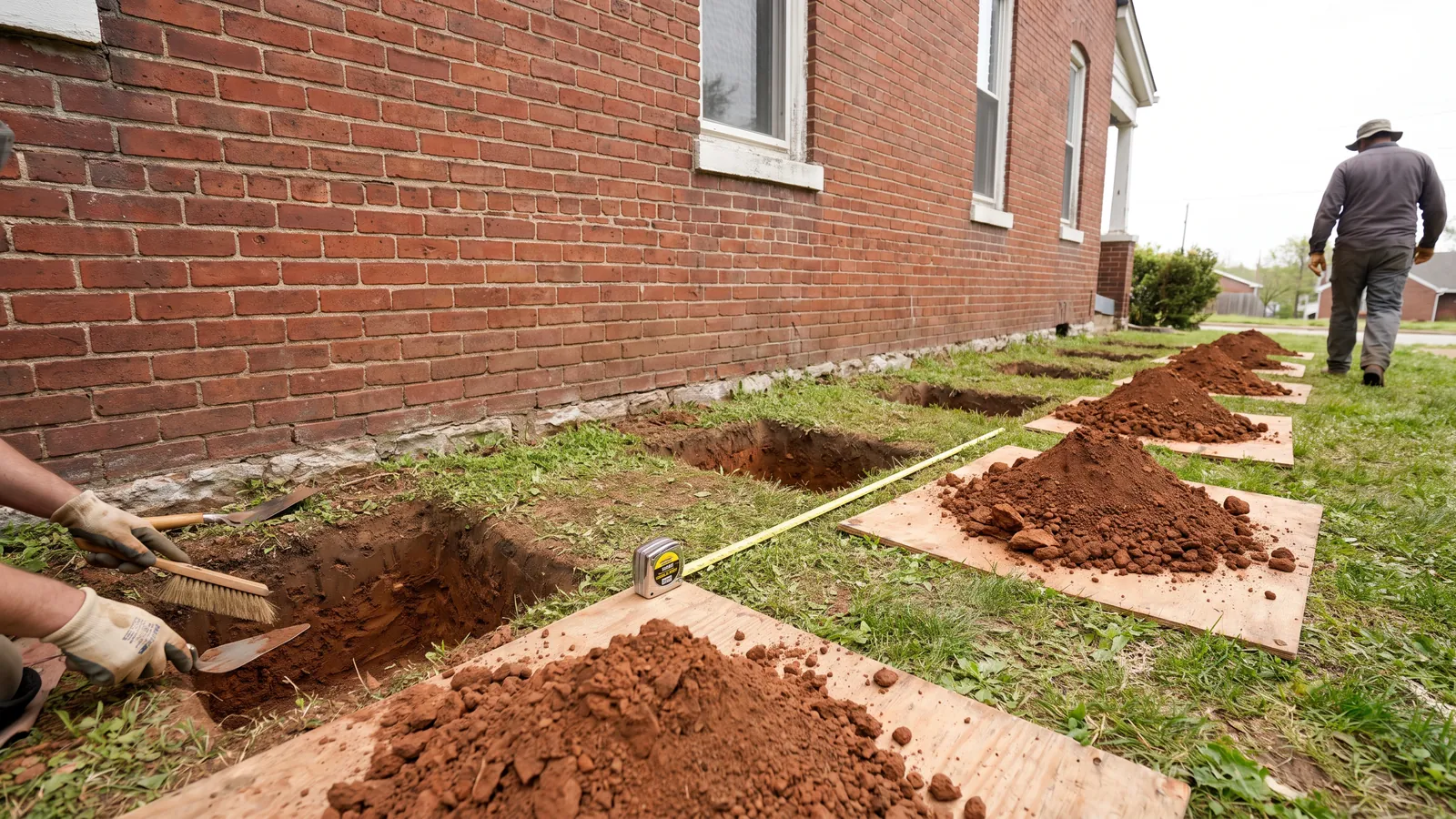
What foundation repair costs here
Planning ranges for piers, wall anchors and crack work in the St. Louis area, and what moves the number.
Read it →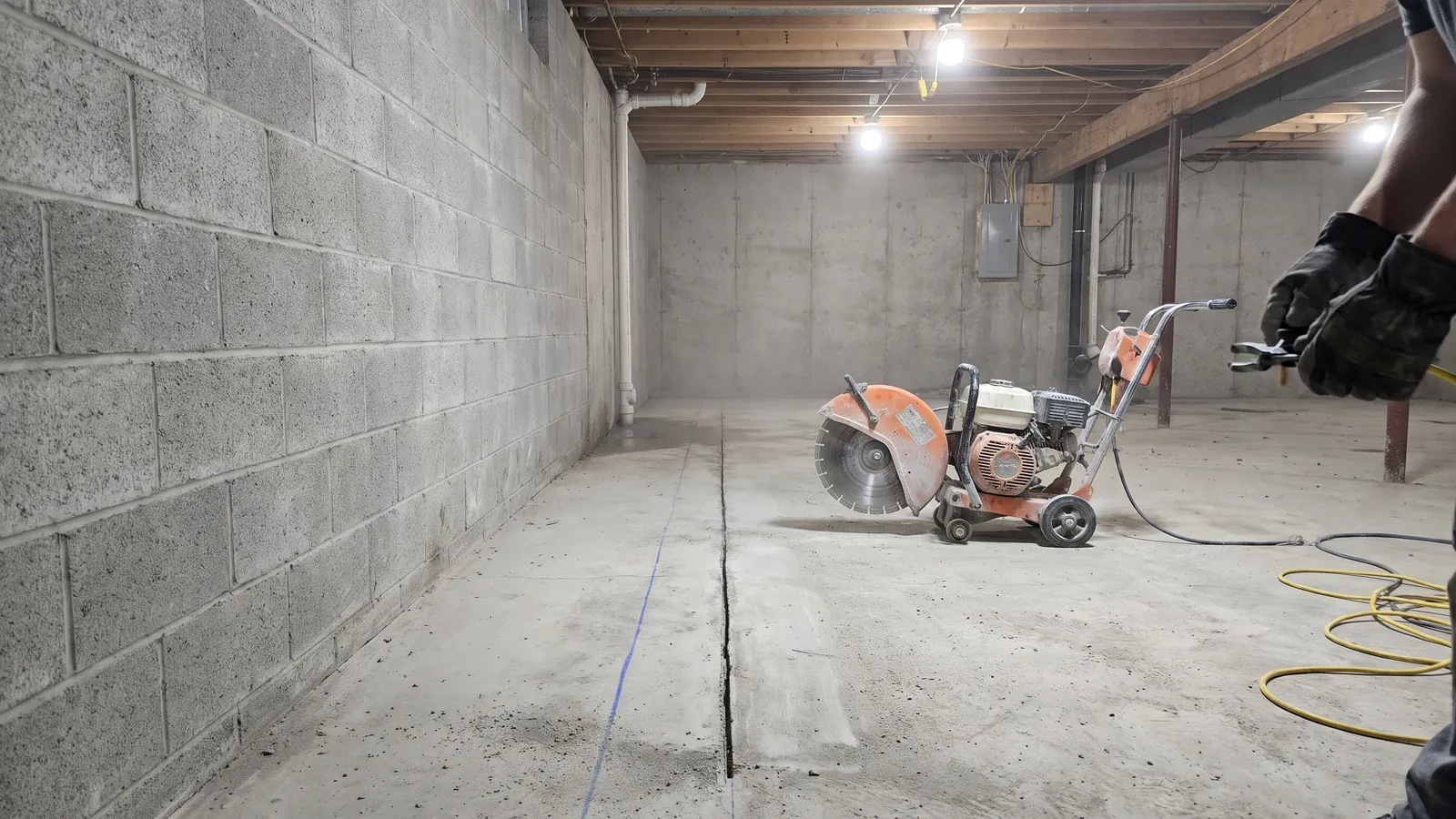
What waterproofing costs
Interior drains, sump pumps and exterior work, priced the way contractors actually measure them.
Read it →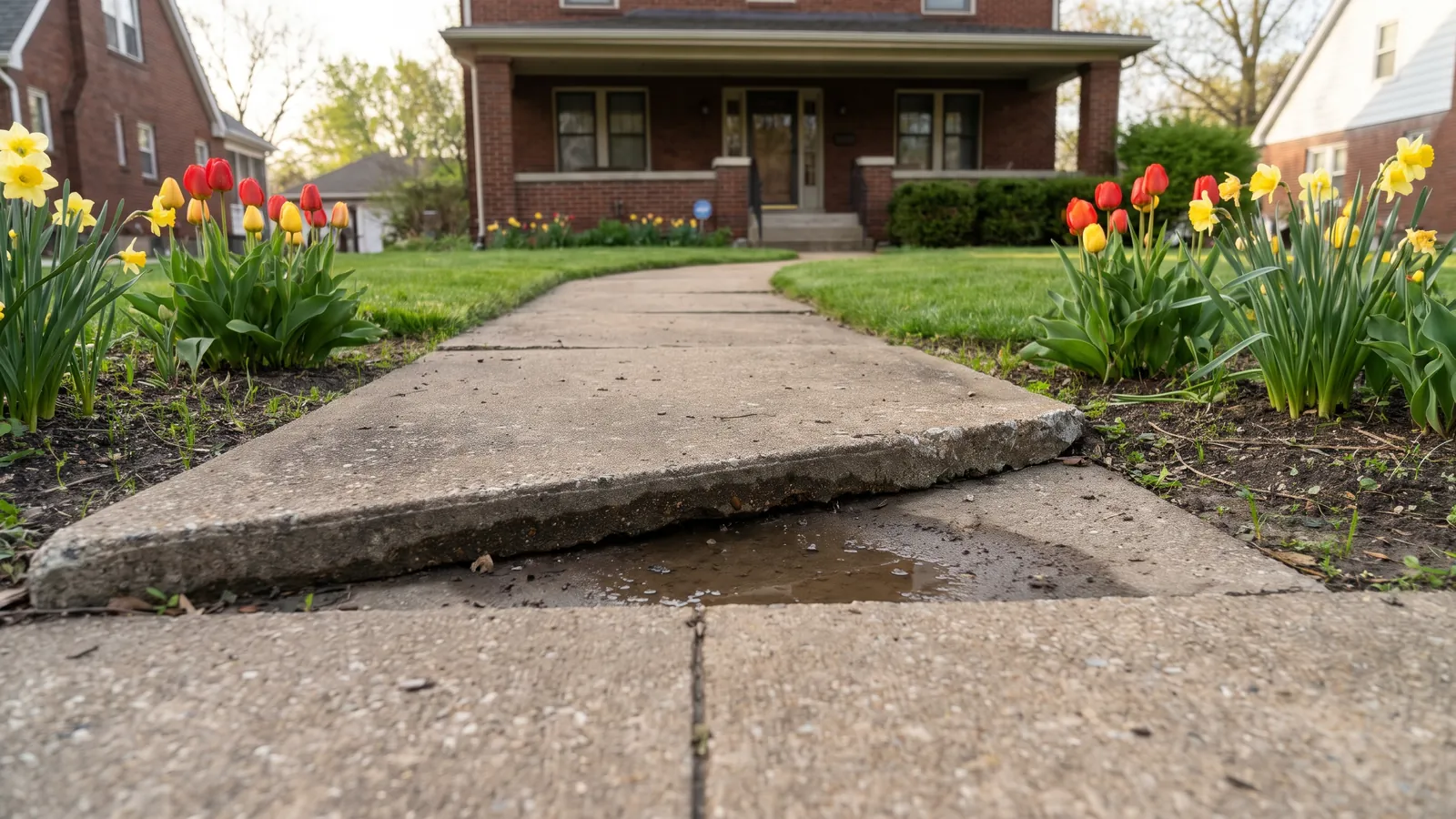
What concrete leveling costs
Mudjacking against foam lifting, by the slab and by the job, with the cases where replacing wins.
Read it →
Signs the foundation is moving
Which cracks are cosmetic, which ones mean the soil has shifted, and what to watch over a season.
Read it →Four things that hold on every job
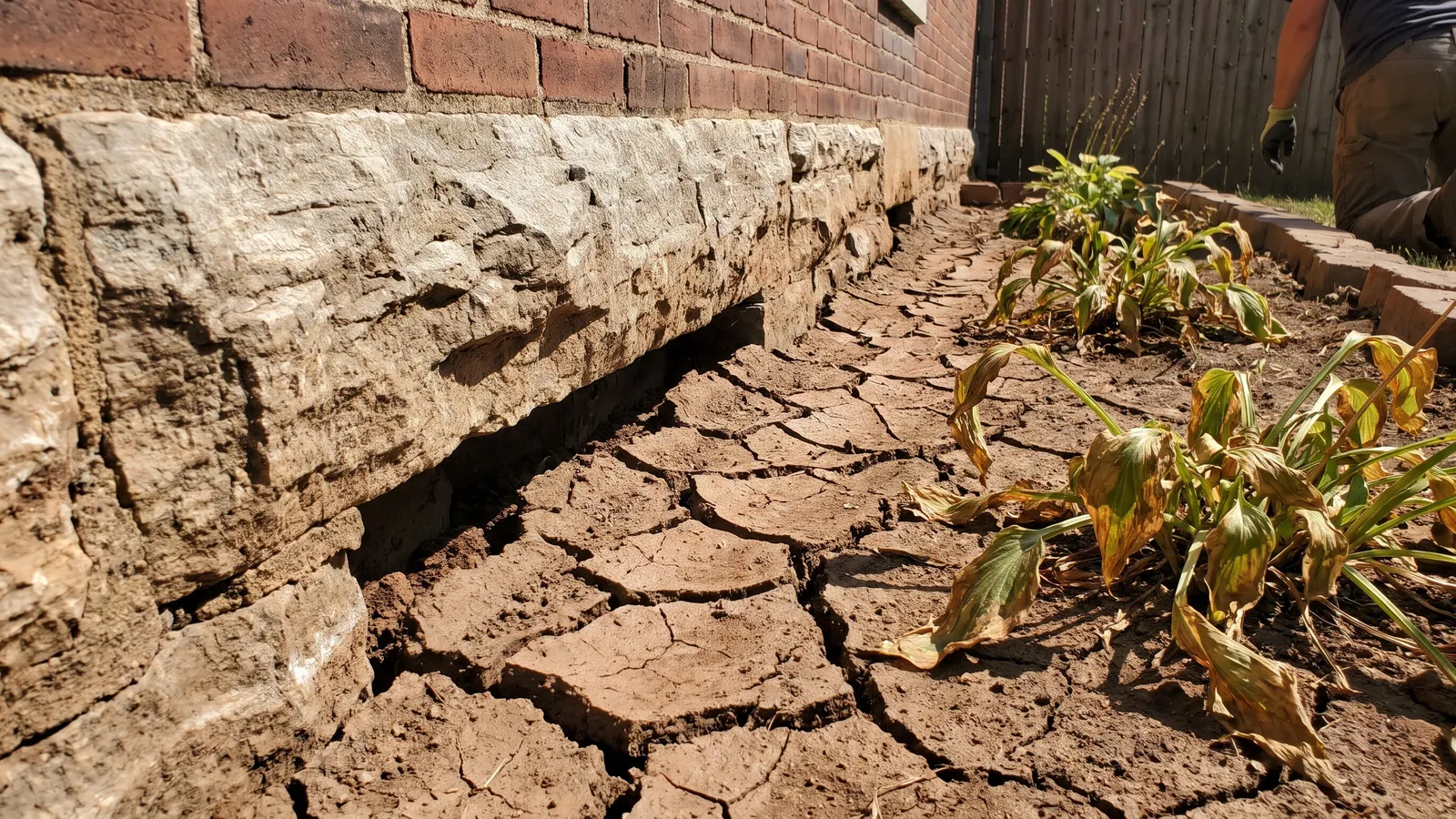
Clear reasons, measured, for a part of the house you cannot see
Foundation work is hard to judge from upstairs. We keep it simple: show you what we measured, explain the soil and the water, and tell you plainly when a crack is only shrinkage and needs nothing.
The cause first
Expansive clay, poor drainage, a missing downspout extension or a failed footing call for different repairs. We name the cause before the fix.
Permits pulled for you
The City of St. Louis and St. Louis County run separate permit systems. We file with the right office and book the inspections.
Registered and insured
Missouri has no state license for this trade, so we say exactly what we carry: registration and insurance, with proof on request.
Waterproofing in the same visit
Wet basements and moving walls often share one cause. One inspection covers both, so you do not pay two companies to look.
Book a free foundation inspection
We call back the same day to set a time. The inspector measures, looks at the soil and the walls, and gives you the price in writing before any work starts.
The city, the county and across the Missouri River
South city bungalows, north county ranches, West County two-stories and the newer basements of St. Charles County all sit on clay, but not the same clay or the same way. Each town page covers what we see there.
- FlorissantNorth St. Louis County
- ChesterfieldWest St. Louis County
- BallwinWest St. Louis County
- KirkwoodSt. Louis County
- Webster GrovesSt. Louis County
- University CitySt. Louis County
- Creve CoeurMid St. Louis County
- MehlvilleSouth St. Louis County
- AfftonSouth St. Louis County
- FentonSouthwest St. Louis County
- St. CharlesSt. Charles County
- St. PetersSt. Charles County
Also Maryland Heights, Clayton, Arnold, O'Fallon and nearby communities. See the full service area.
Three things worth doing this week
None of these fix anything, but they make the inspection more useful. If a wall is moving fast or water is pouring in, skip them and call (314) 932-9816 now.
- 1
Mark the cracks
Pencil a short line at each end of every crack with the date. If a crack runs past its mark in a few weeks, it is active.
- 2
Take dated photos
Photograph cracks, damp spots and sticking doors with something for scale. Insurers and inspectors both ask for these.
- 3
Clear the walls
Pull boxes a few feet off the basement walls and open the way to the crawl space hatch so every wall can be seen.